New format
Article topics: how and where to find ideas
The topic decides whether people finish the article and whether search finds it. Unique wording won’t save a question the reader doesn’t care about.
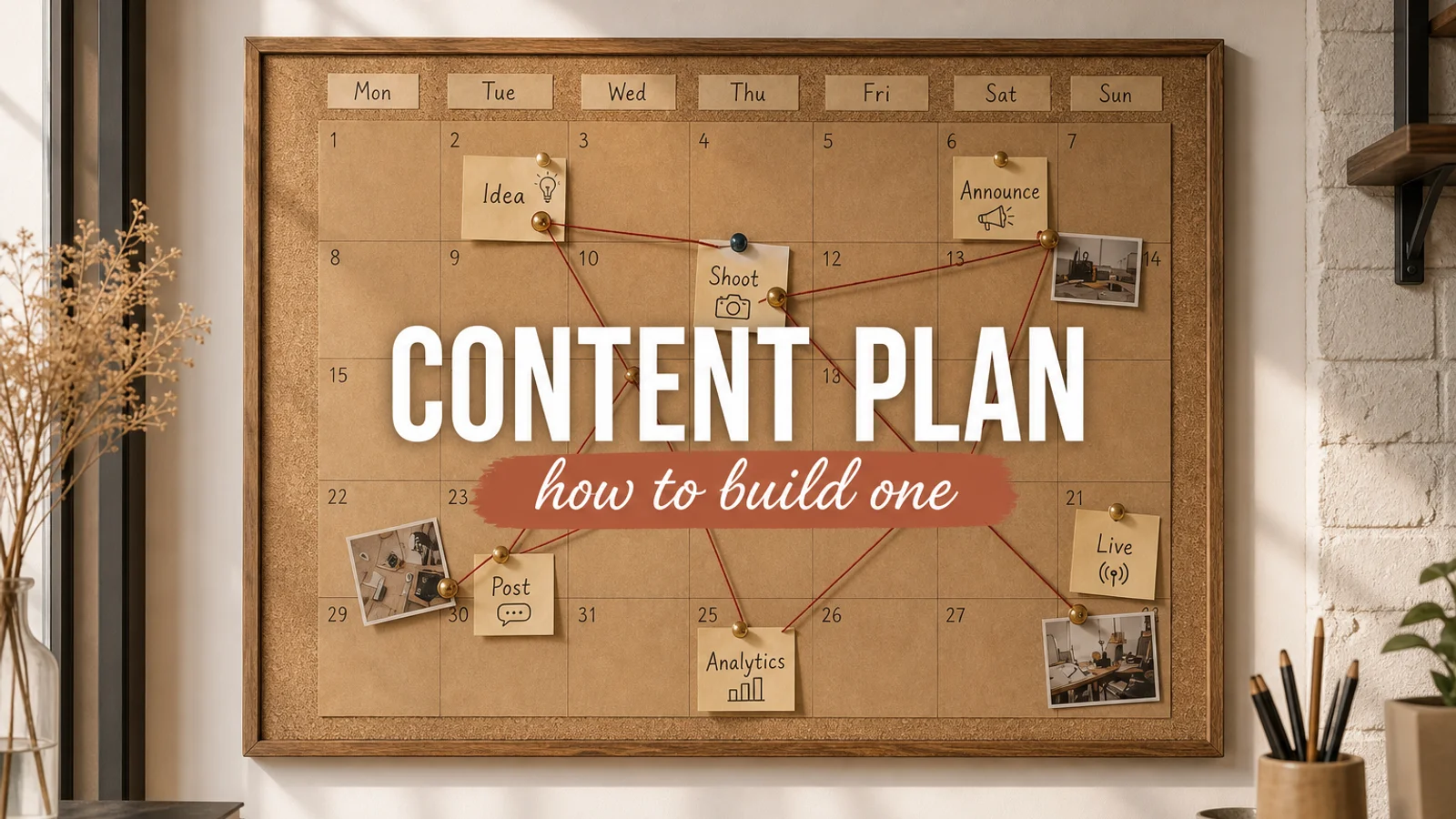
Below: idea sources close at hand, how to work with queries, and extra reserves. How-to/guide formats live in content-promotion ideas; the calendar lives in the content-plan article.
Ideas nearby: audience and your own materials
Your interests and expertise are a start — filter them: what’s useful for the audience, not only for you.
Old hits: update facts, add a new angle, or unpack objections from comments — often stronger than a topic from scratch.
Ask readers in the newsletter, comments, or a short poll. Competitors: a list of topics that worked for them, plus your experience and examples — not a one-to-one structure clone.
Quick harvest:
- questions from support and sales
- comments and “what about…”
- strongest old URLs by traffic/engagement
- notes from client calls
Search queries as a topic source
Search demand describes how people phrase a need. A keyword cluster → article and landing topics.
Hints: Search Console reports, Google Keyword Planner, Semrush/Ahrefs and peers. Add question operators (“how,” “why,” “what is”) to the base query.
Q&A spaces and “People also ask” in the SERP show live wording. Trends help with seasonality — don’t publish a “trendy” post after the peak unless you have an evergreen angle.
Forums, social, video, and international angles
Live discussions on forums and industry chats surface odd pains that aren’t already saturated on page one of the SERP.
Popular niche posts and videos signal interest; carry the meaning into your format — don’t steal the script.
Webinars and conferences: searching “topic + webinar” shows which questions speakers raise. Materials from other markets are a source of angles thin in your locale; translating “as is” without adaptation and sources is bad practice.
Takeaways
Topic = audience usefulness + your angle + (for SEO) demand.
Others’ articles — inspiration, not a copy-paste template.
Put anything valuable into the content plan immediately, or ideas vanish.
FAQ
Where to start if ideas are zero?
With client questions and comments on old posts. Then search demand and competitors.
Can I rewrite someone else’s articles?
As inspiration and angles — yes. Copy-paste and one-to-one rewrites — no. Add your experience and facts.
Is a keyword set required?
For organic — yes, at least a cluster of questions. For expert opinion without search intent you can go lighter, but checking demand still helps.
Are Google Trends / keyword tools enough?
As a seasonality and spike compass — yes. They don’t replace intent and SERP competition analysis.
Does asking subscribers work?
Yes: poll, form, comments. Weak response is normal; combine with search and support.
How is this different from content-promotion ideas?
That article covers formats (how-to, guide, myths). Here — where to get concrete topics and questions.
Where do I store finds?
In a backlog and content plan: topic, intent, priority, status.
Blank page every week — and topics from nowhere?
We’ll harvest client questions and search demand into a backlog with intent — no competitor copy-paste.
Discuss the task