New format
Selling content in social media: types, examples, and a plan
Selling content drives action: click, lead, purchase. It’s not only a “−50% sale” — it’s a mix of offer, value, and proof fitted to the audience.
Below: goals, B2C/B2B differences, post types, and plan-building rules. Commercial-copy structure and feed-format taxonomy live elsewhere. Old “70% of businesses / 80% bought because of a post” figures aren’t universal. Mentions of Instagram and Facebook are informational.
Goals of selling content
Follower growth is a side effect. Closer to money: click to site/catalog, dialogue, lead. The site must work on mobile and match the post promise.
The link in the post — immediate and on-point. Deception (price, origin, deadlines) kills sales faster than “weak creative.”
B2C and B2B
B2C: clear benefit, price/promo when relevant, fast path to order, tone closer to the segment’s language.
B2B: trust, process (invoicing, volumes, SLA), cases and reviews, formal tone — no cheap memes for reach.
Audience minimum before the plan:
- who buys and which job they close
- objections and segment triggers
- where the audience lives (platform/format)
- what counts as post success (not only a like)
Types of selling content
Brand: product, promos, reviews, backstage tied to the offer.
Useful: how-tos, checklists, product Q&A — warm-up without a hard “buy.”
Entertainment: emotion within the brand, not standup for standup’s sake.
Situational: reaction to an event or date — fast and fitting, no toxic jokes.
Stories and cases: structure, sincerity, link to the service — not gossip for hype.
How to build the plan
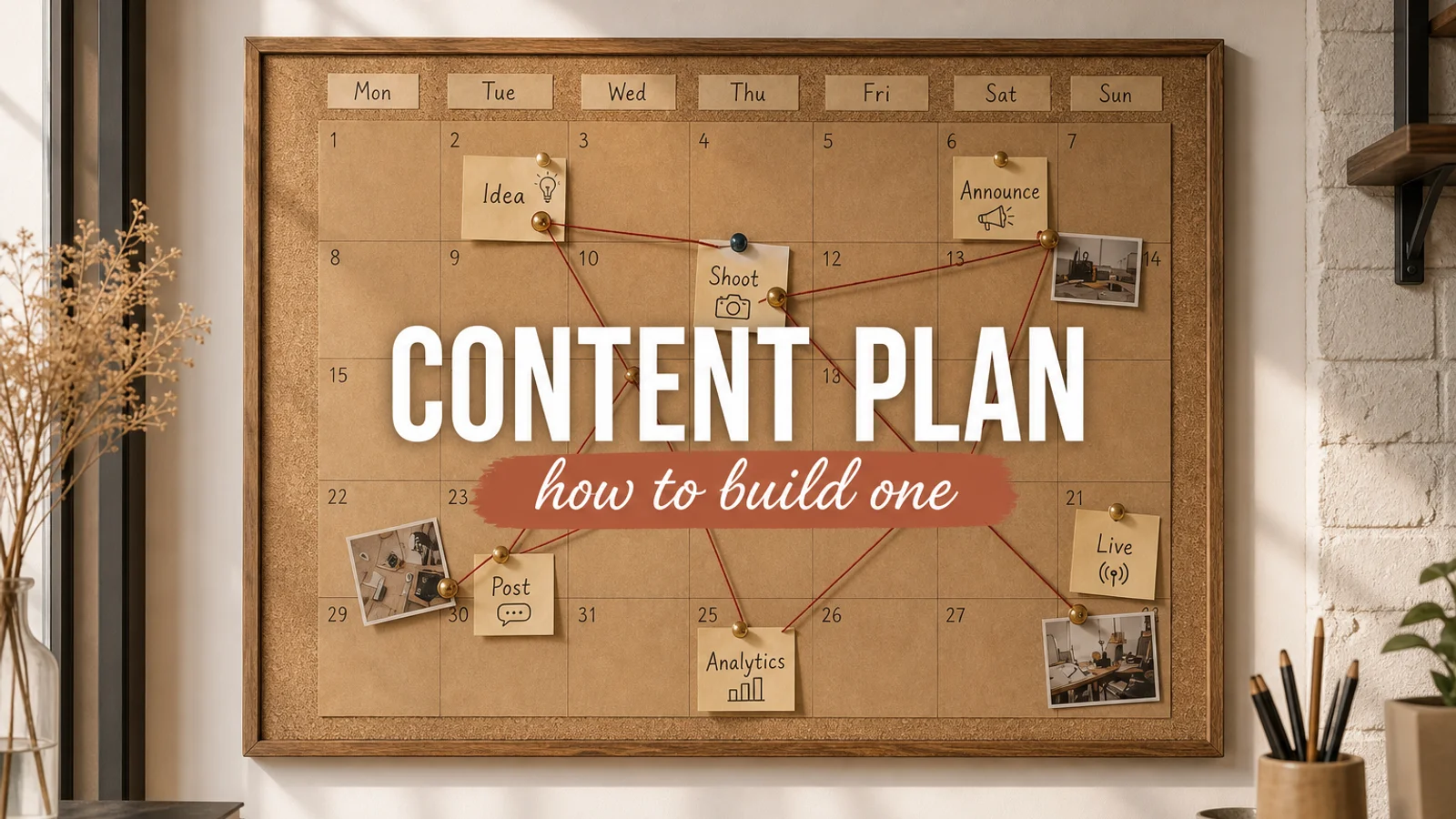
Rubrics by type → slots for 2–4 weeks → CTA and UTM/promo on selling posts → idea buffer for dates.
Plan situational posts by an event calendar; “viral in an hour like Oreo” is rare luck, not a KPI.
Practical rules:
- offer is honest and checkable
- visuals in one system (color, type, frame)
- motion (video/Stories) — within capacity, not for the report
- ads and organic for different audience segments
- measure leads, not only reach
What to remember
Selling content = a clear next step + trust.
A mix of types beats a daily shop window.
B2C and B2B need different tone and proof.
FAQ
How is it different from selling copy on a site?
On a site — a landing for the deal. In social, warm-up, platform format, and attention limits matter more; the CTA often goes to the site or Direct.
Can I post only selling content?
Usually no: the feed burns out. Mix value, brand, and offer — ratios by niche.
Do I need a price in the post?
For B2C often yes: less friction. For B2B, terms, cases, and process matter more.
How many selling slots belong in the plan?
As many as the audience tolerates without unfollows. Watch saves, replies, and leads — not only likes.
Does “only 2 left” always work?
Only if true. Fake urgency hurts trust and ad rules.
Is a full brand style required?
Desirable: recognition in the feed. Full “cyberpunk like banks” isn’t mandatory — consistency matters.
Is video mandatory for selling content?
A strong format, not the only one. Stories, carousels, and text with a clear offer also work.
Feed full of “buy now” while leads and trust stay flat?
We’ll mix offer, value, and proof for B2C/B2B — with honest CTAs and measurement beyond likes.
Discuss the task