New format
Content manager: duties, skills, and how to start
A content manager owns filling and order of materials on the site and related channels: the plan, publish, edits, briefing authors, and quality control on the live page.
Below: duties, skills, the publish process, and how to break into the field. SMM and straight copywriting are related roles — not full synonyms.
Who a content manager is
A role at the edge of editorial and production: take an idea to a working page. You don’t have to write every text yourself — what matters is the material goes live on time, in the right format, without layout breaks.
In an agency the focus is often client sites and blogs; in a product — help, releases, knowledge base; in e-commerce — cards, category copy, banners. The core is the same: content lives predictably in the CMS.
Nearby, but not the same:
- copywriter — text
- SMM — social and engagement
- SEO specialist — keyword set and promotion tech
- content manager — plan, publish, and quality on the site
Duties
Owns the plan, uploads materials to the CMS, edits, coordinates authors and designers, updates stale pages. In a small team may watch simple metric reports.
Value isn’t “how many posts went live,” but process: fact-check, edit, layout, link check, and a final look on the live site before “done.”
A typical day:
- publishes by plan
- edits from feedback
- mobile check
- author task queue
- light SEO check of pages
- status updates in the tracker
Skills
You need clear writing, structure logic, confident CMS use, spreadsheets, and a task tracker. Bonus: basic graphics or briefing a designer without “make it pretty.”
Tech basics: responsive layout, links, metadata, how it looks after publish. Deep engineering and strategic SEO belong to specialists — but a content manager catches everyday breaks before the client does.
Nice to have:
- understanding an SEO brief
- analytics at report level
- working with briefs and deadlines
- care with facts and photo rights
- a consistent brand tone
Publish workflow
Every content unit needs a brief: goal, audience, format, deadline, owner, and done criteria. That cuts last-minute rewrites.
Before publish, a short checklist: headings, facts, rights-cleared images, links, meta, form or CTA, mobile view. After go-live — handoff to promotion and a slot for updates.
Stages:
- planning
- prep and editing
- CMS layout
- quality control
- publish
- analysis and update
Mini checklist before “Publish”
| Check | Why |
|---|---|
| Title / H1 | Snippet and page topic |
| Links and buttons | No 404s or empty CTAs |
| Images and rights | Legal and speed |
| Mobile view | Most of the traffic |
How to enter the profession
Gather 5–10 examples: articles, cards, laid-out sections. Start as junior, assistant, or running a small site — live publishes teach faster than courses alone.
In a portfolio show the task, structure, checks, and your role. Employers then see not only text, but the ability to ship a working page.
First steps:
- master one CMS to a confident level
- run your own or a practice blog
- study strong sites by structure
- ask for feedback on copy and content layout
How to grow in the role
First strengthen editorial and org basics, then pick a vector: content marketing, SEO content, product, e-commerce, or running an editorial team.
Review what you published: what gets finished, where traffic comes from, where conversion drops. Metrics don’t replace editing, but they help choose next tasks.
Useful habits:
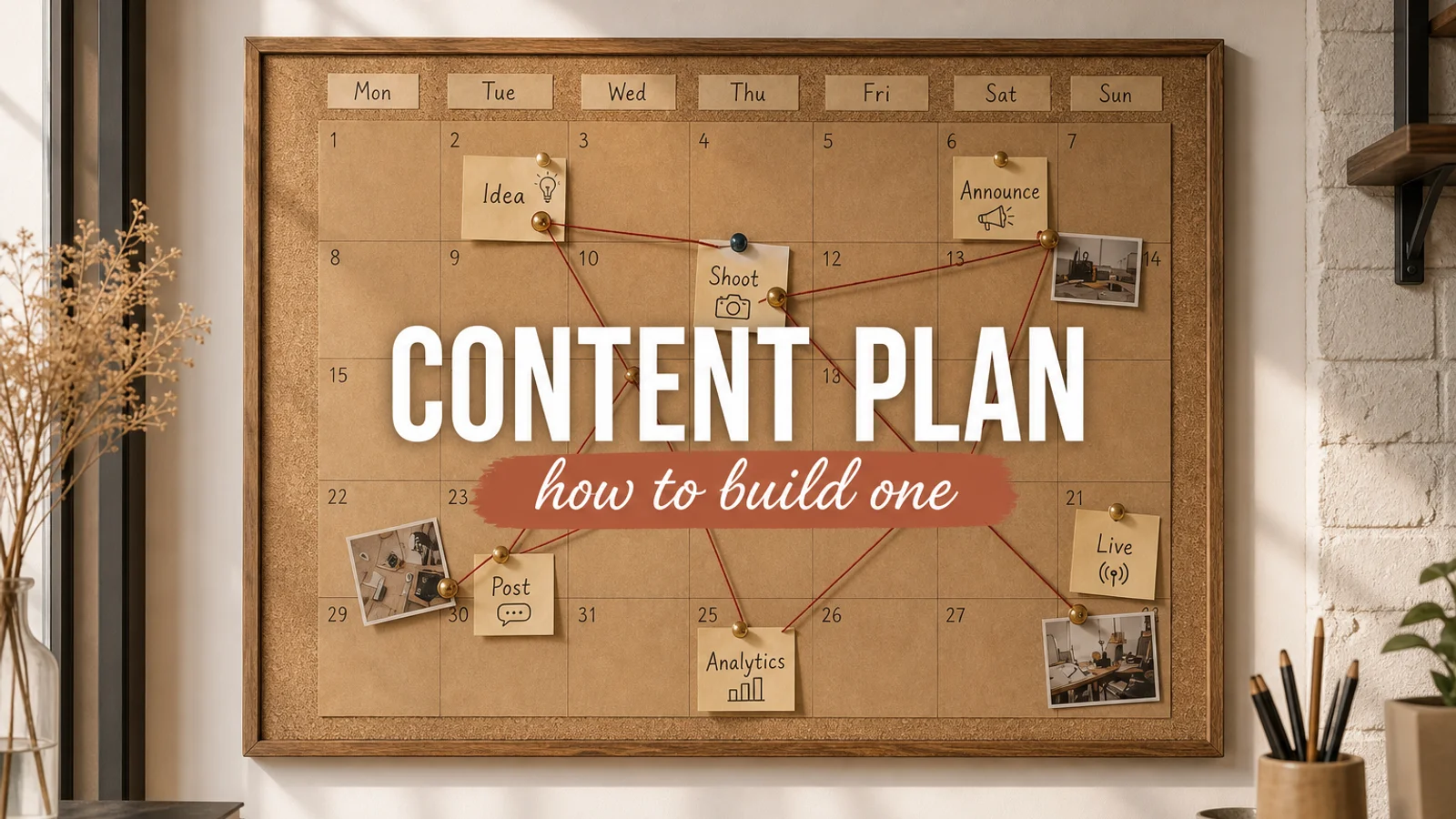
- keep an editorial calendar
- collect feedback
- update stale pages
- document tone and layout rules
- don’t pile a dead backlog with no priorities
Common role mistakes
Publishing “as it came” without a brief, ignoring mobile, copy-pasting without fact-check, confusing urgent SMM Stories with quality evergreen site pages.
Another risk — owning SEO strategy and engineering “because nobody else will” without boundaries. Better an explicit escalation path than quiet production breaks.
Avoid:
- publishes without a preview
- broken links and empty buttons
- photos without rights
- deadline promises with no buffer for approvals
FAQ
Is a content manager the same as a copywriter?
Not always. A copywriter writes. A content manager often also plans, publishes, and watches structure and deadlines.
How is it different from SMM?
SMM is stronger in social and community. A content manager more often owns site, blog, catalog, and CMS.
Do I need SEO skills?
Basics — yes: title, headings, internal links, briefs for authors. Deep SEO usually belongs to a specialist.
How do I start with no experience?
CMS in practice, clear writing, a portfolio of publishes, an internship, or a small site end to end.
Is remote work possible?
Yes, often. You need deadline discipline, transparent task status, and careful handoff of materials.
Do I need to code?
Usually no. Understanding HTML, CMS, and template limits helps brief a developer and verify a publish.
How is the work measured?
Plan adherence, publish quality without critical errors, updating stale pages, sometimes traffic or conversions — by team agreement.
Can I combine this role with SMM?
In a small team — yes, but priorities must be explicit. Otherwise site and social stay forever half-finished.
Posts go live “as they came” — and mobile + links break every week?
We’ll lock a brief, CMS checklist, and publish workflow — plan and quality on the live page, not just word count.
Discuss the task